1. To Know the Platycerium
Platycerium (Staghorn Fern) is a genus in the Polypodiaceae family. Currently, there are three major groups and 18 species (indigenous species). It is mainly distributed in subtropical areas and an epiphyte that grows on trees and rocks.
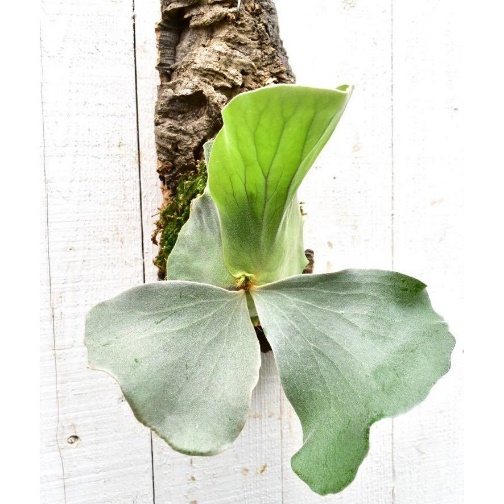
The Platycerium has two types of leaves with different functions. One is the basal fronds (also called a shield-shaped leaf or humus-collecting leaf), which covers the roots and has a branched leaf crown that grows upward or is covered in a spherical layer. The other type, the sporophylls, are drooping and button-forked or branch upward, resembling elk antlers, which is why the plant is named staghorn fern.
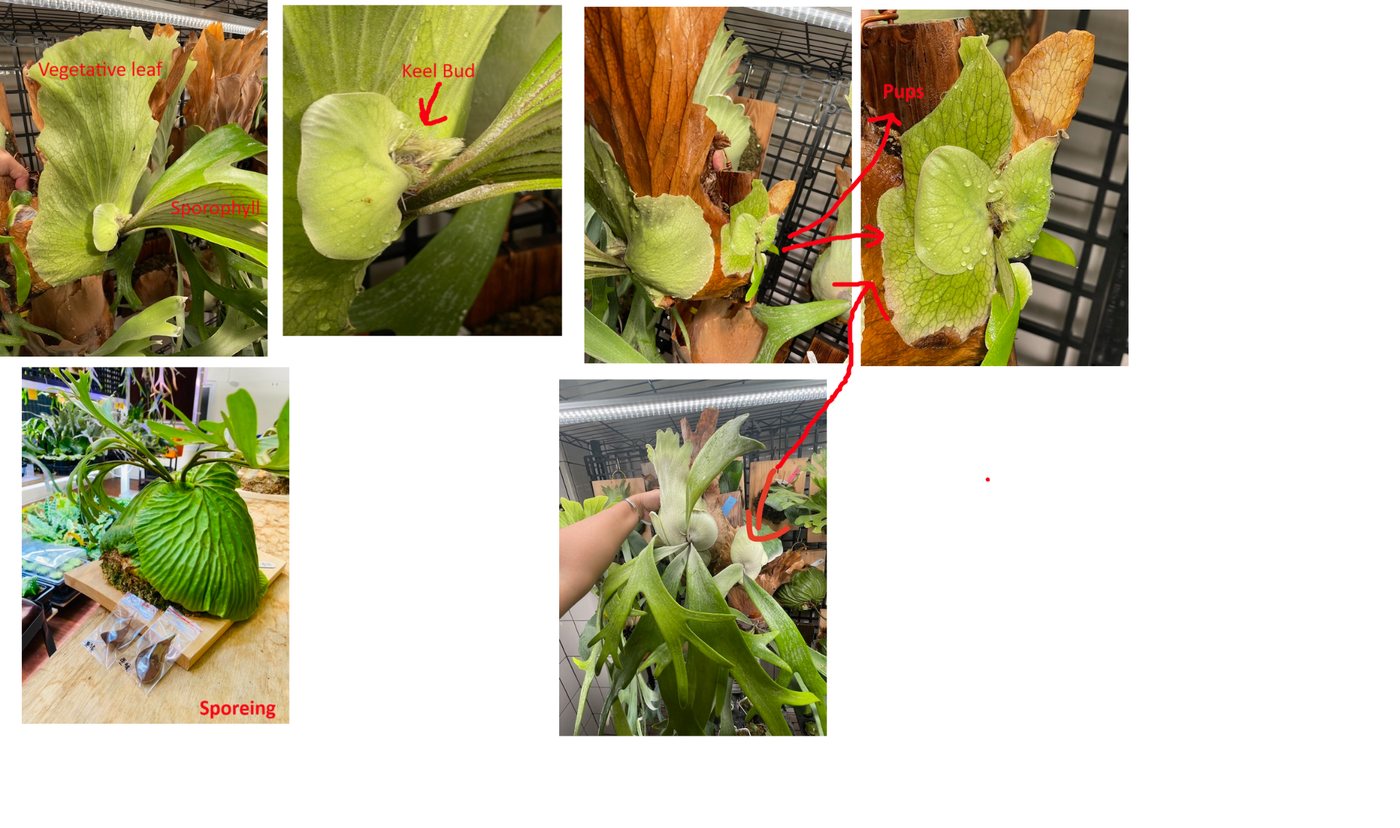
Parts of the Platycerium
- Basal fronds (Nutrient leaf)
- Round leaves located at the bottom and closer to the medium. They are mainly used to protect the root system, store water, and catch falling organic matter.
- Sporophyll
- The larger and more eye-catching leaf of the Platycerium. In addition to photosynthesis, the sporangium on the back of the leaf is a main method of reproduction for the staghorn fern.
- Bud
- The central part of the plant around which all leaves and roots grow. It is also used to determine the plant's vitality and growth direction.
- Root system
- The roots that anchor the plant and absorb nutrients and water.
- Pups
- When the plants are healthy and stable, the roots will extend out of the growing medium and develop into individual plants.
- Spore
- The reproductive unit (similar to an egg) of ferns.
2. The Varieties
Platycerium has 18 species as below, each with a special shape and character. Staghorn ferns are classified into three major groups based on their plant physiology, morphology, and native regions: Java-Australia, Africa-America, and Malay Peninsula-Asia.
- Platycerium bifurcatum
- Platycerium hillii
- Platycerium veitchii
- Platycerium willinckii
- Platycerium alcicorne
- Platycerium andinum
- Platycerium elephantotis
- Platycerium ellisii
- Platycerium madagascariense
- Platycerium quadridichotomum
- Platycerium stemaria
- Platycerium coronarium
- Platycerium grande
- Platycerium holttumii
- Platycerium ridleyi
- Platycerium superbum
- Platycerium wallichii
- Platycerium wandae
The 18 species
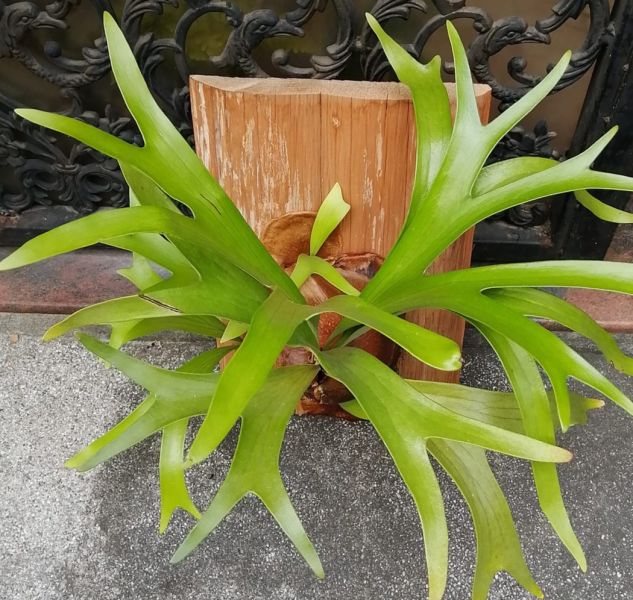
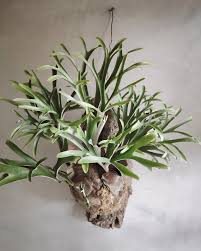
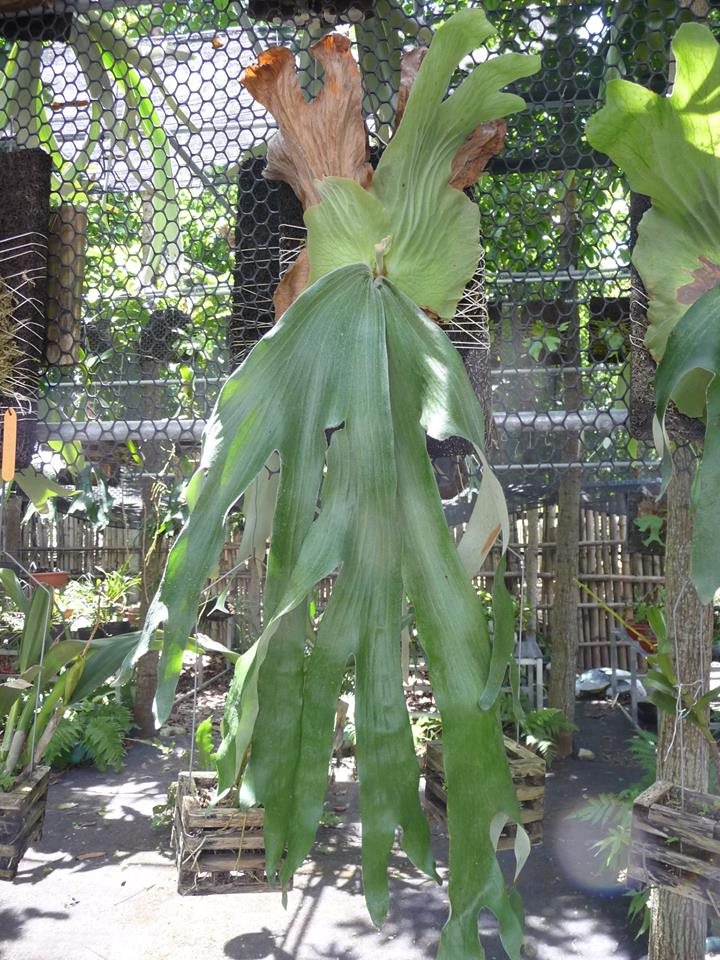
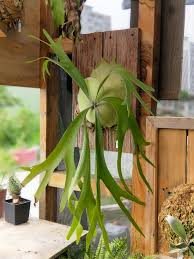
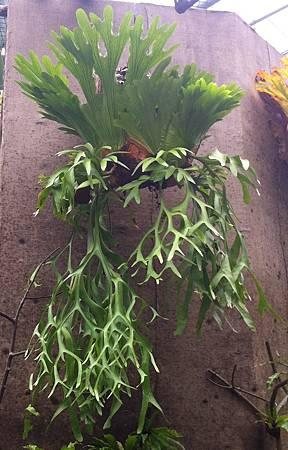
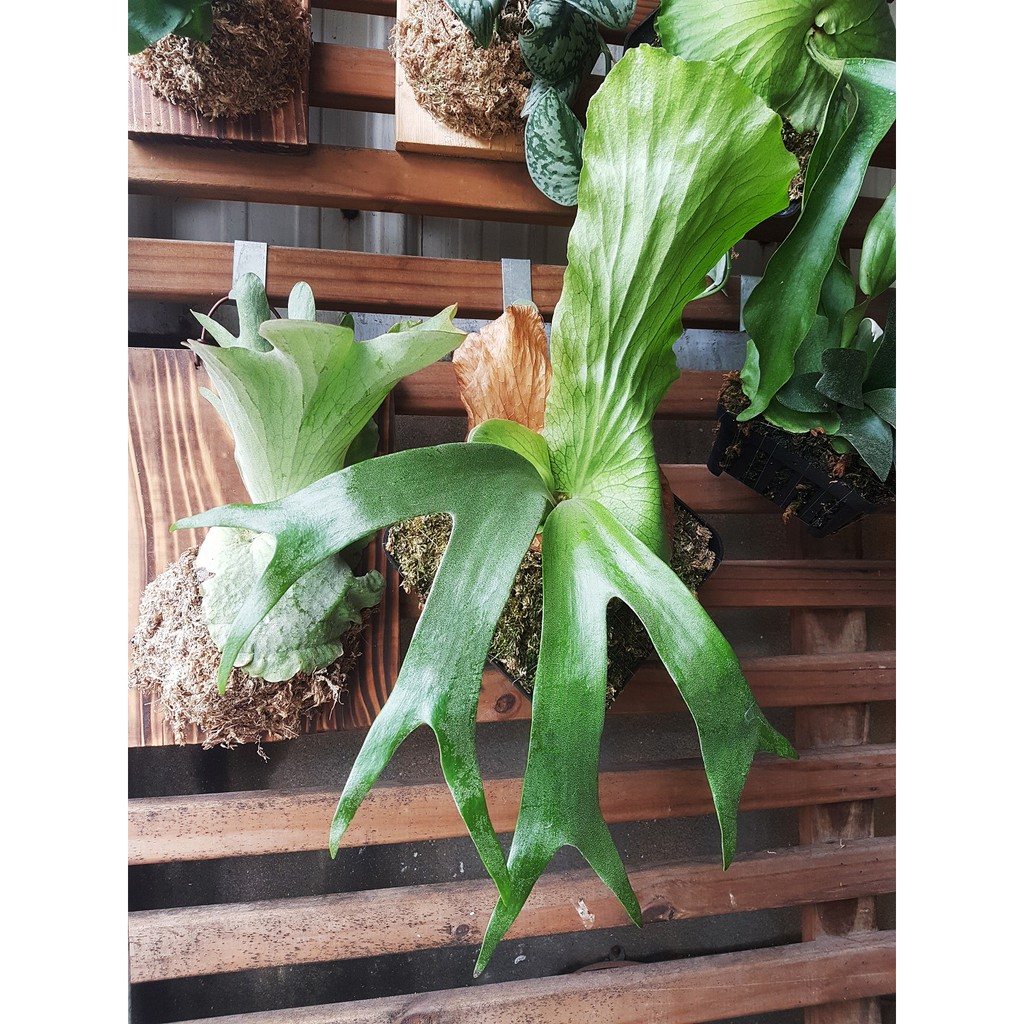
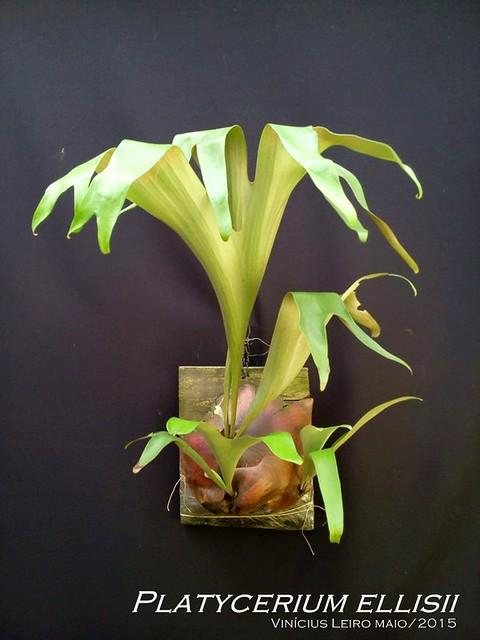
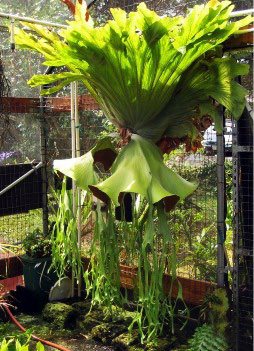
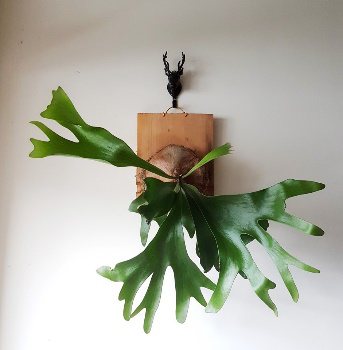
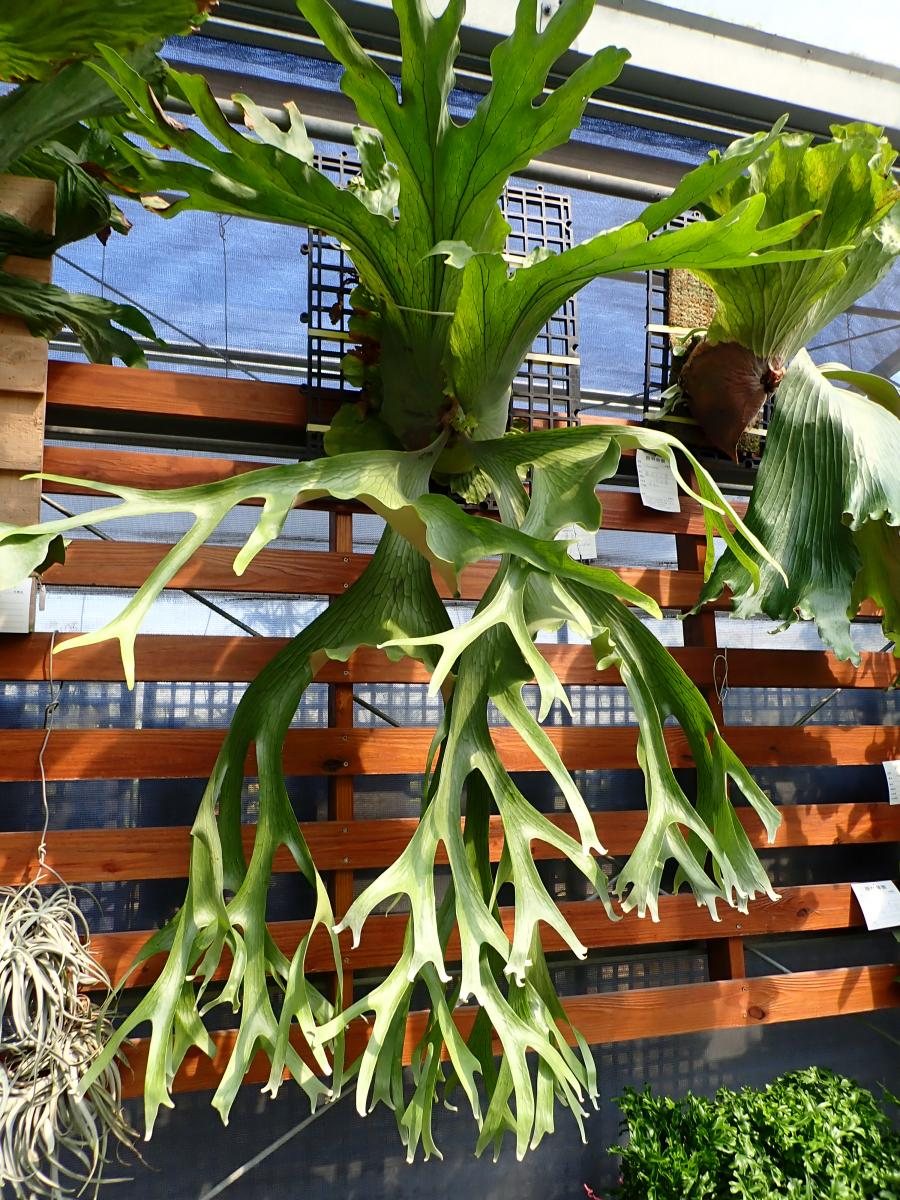
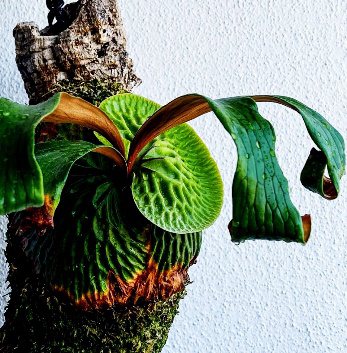
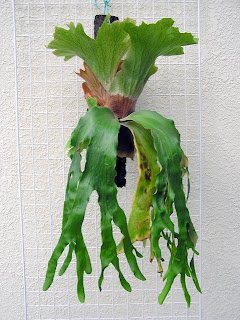
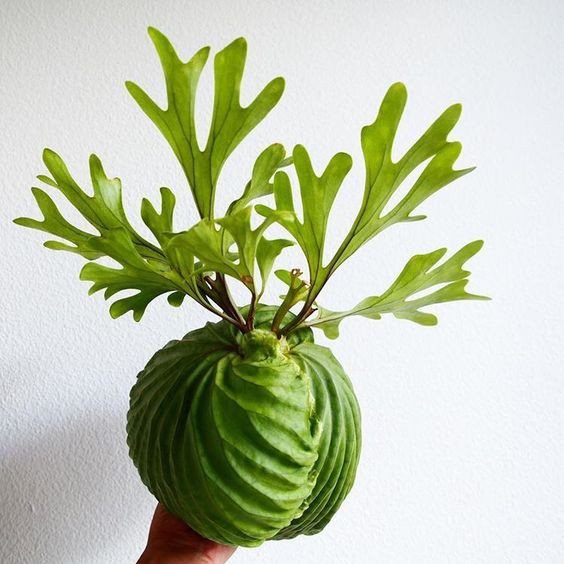
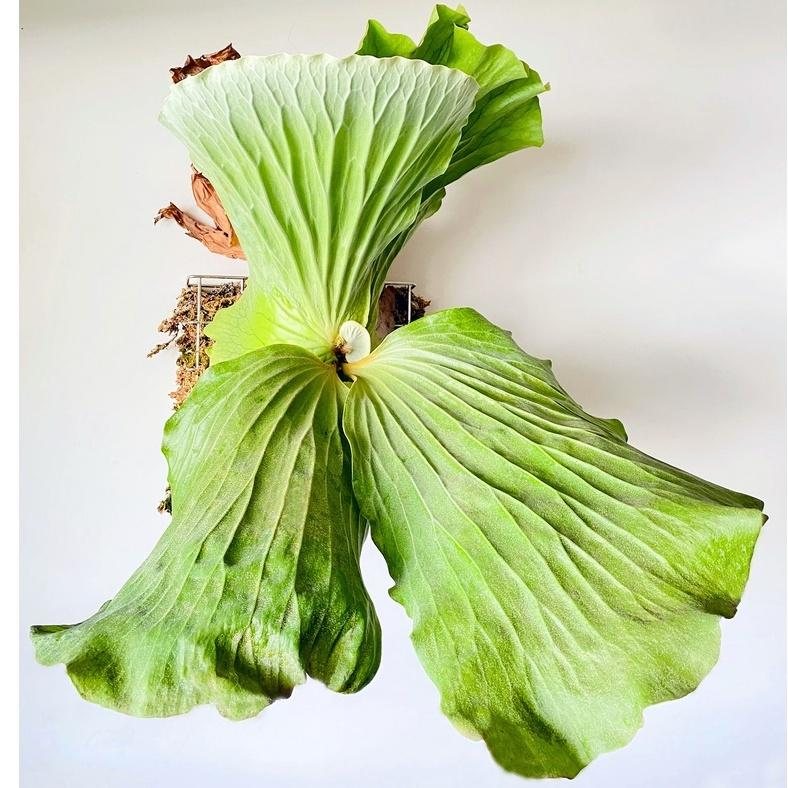
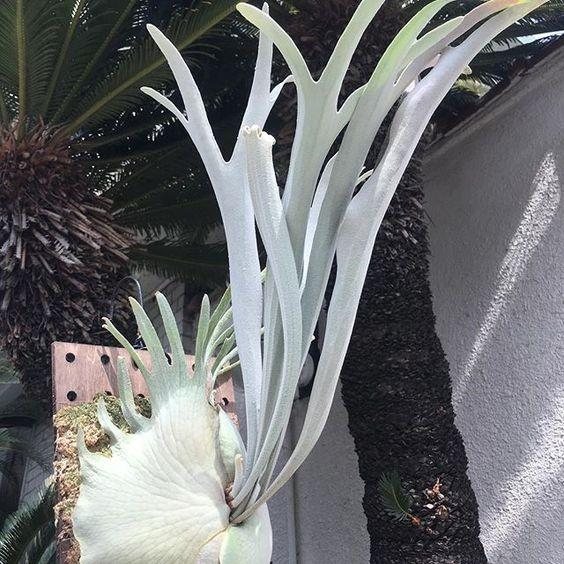
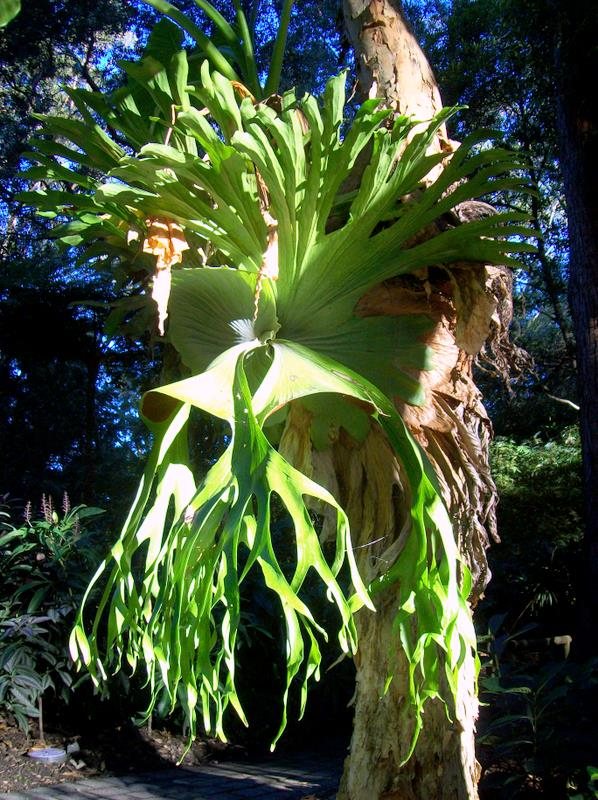
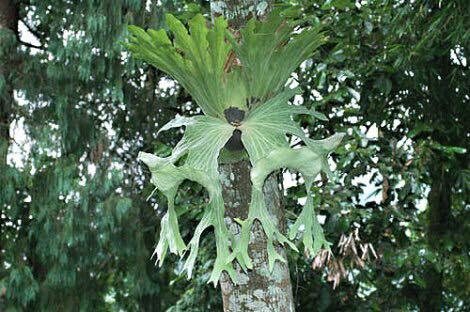
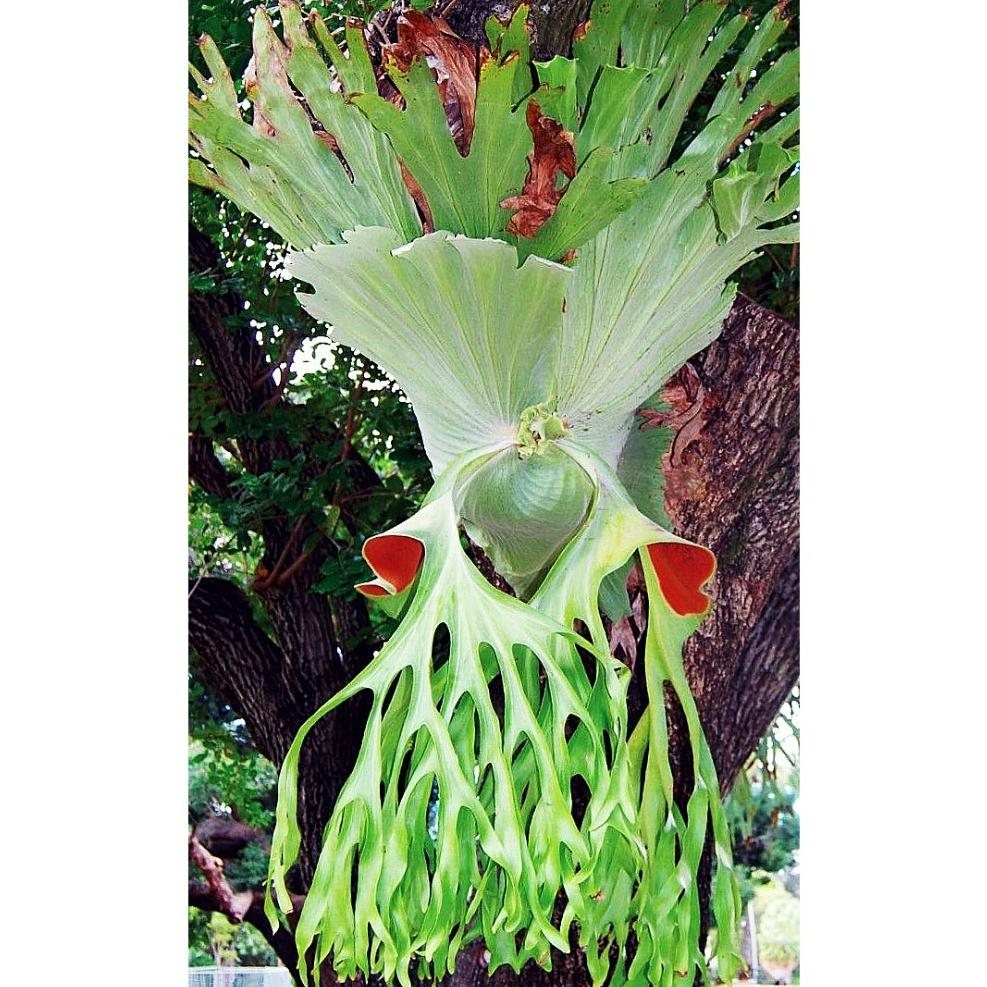
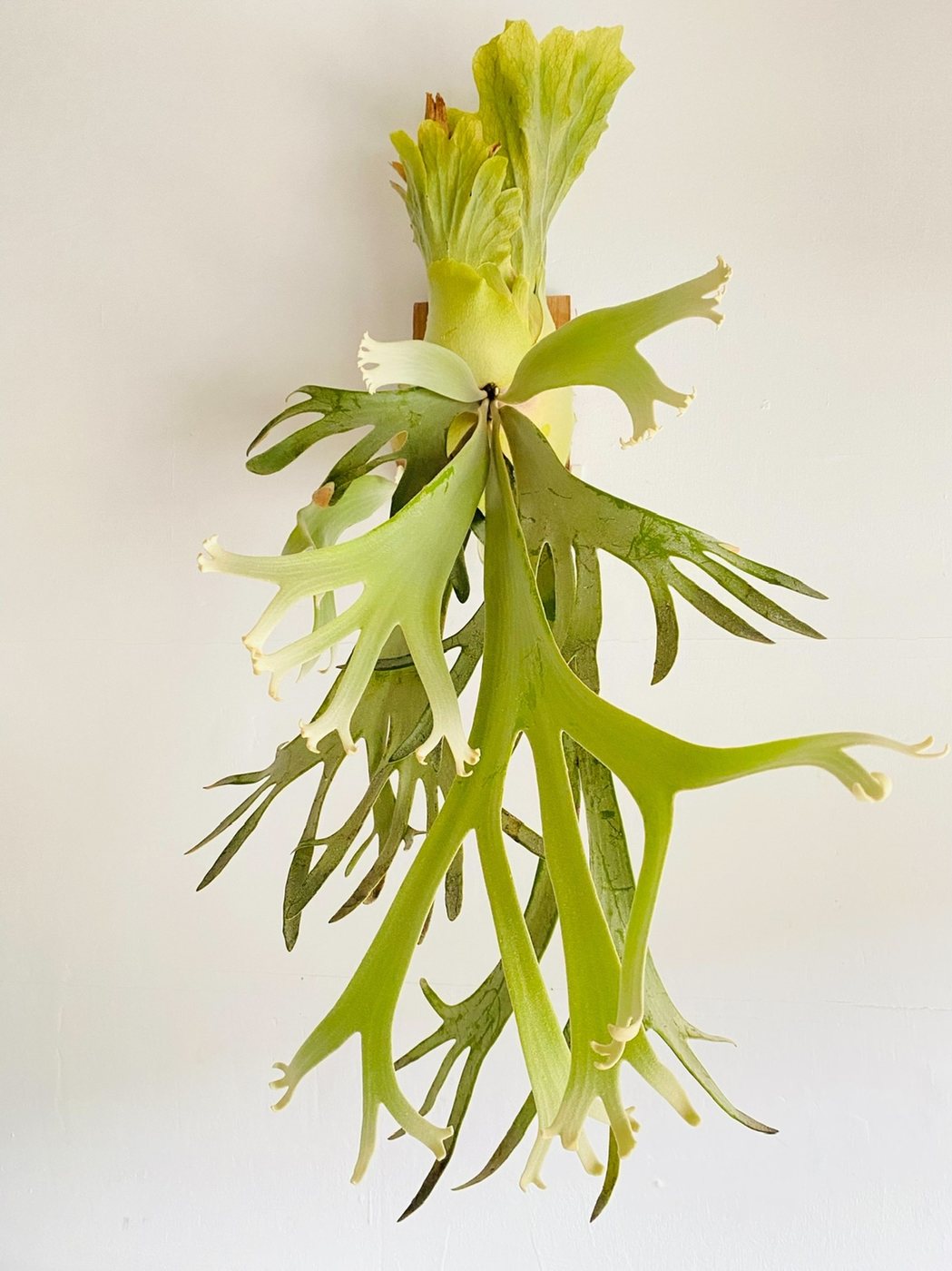
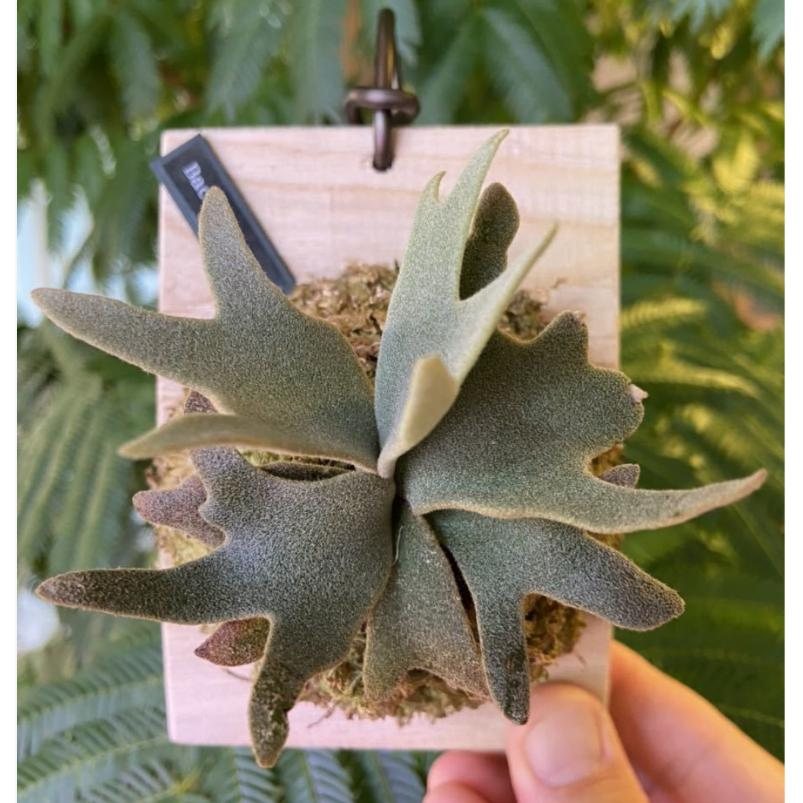
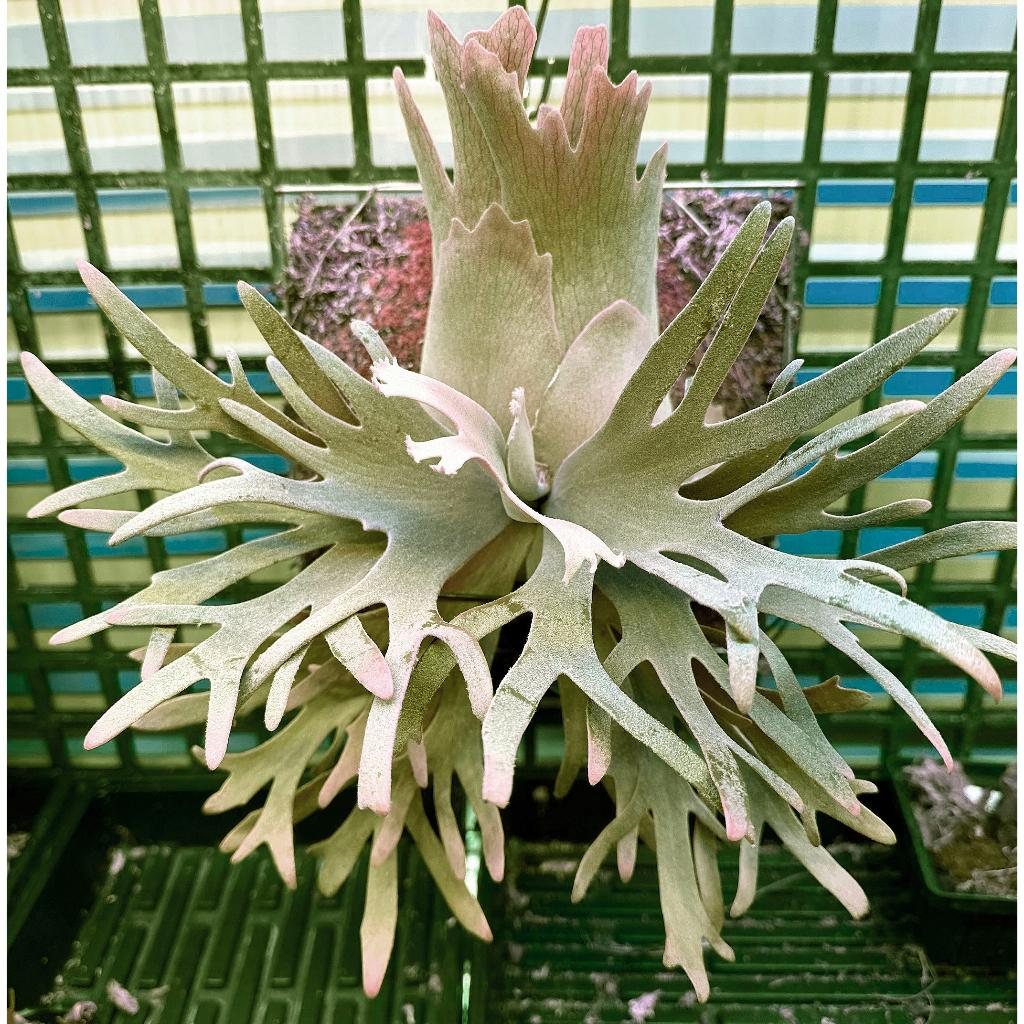
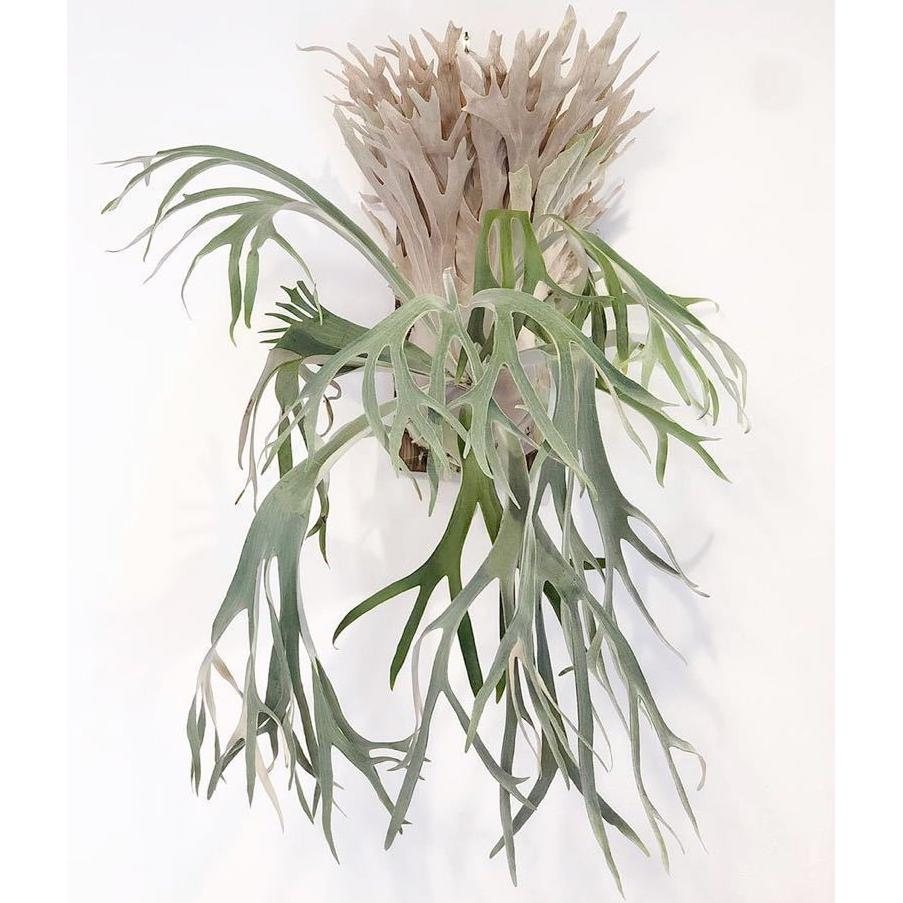
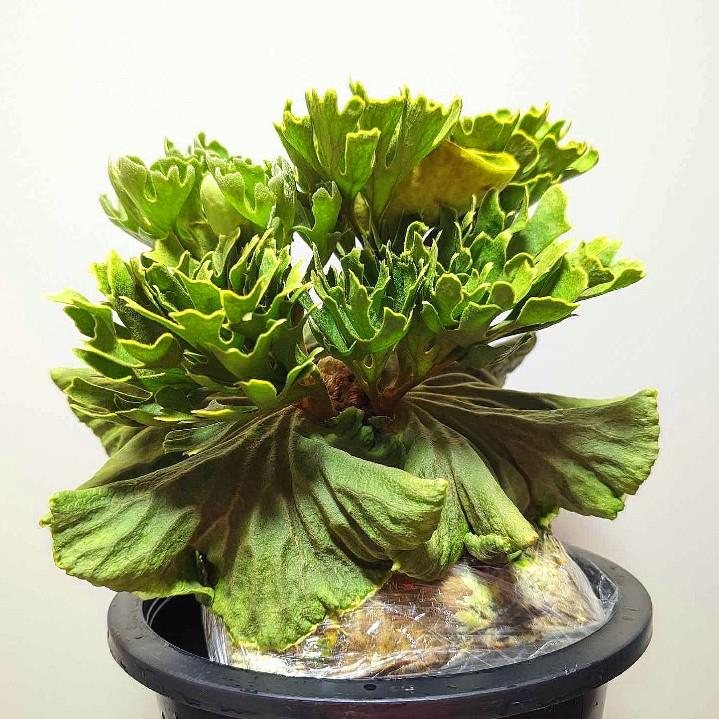
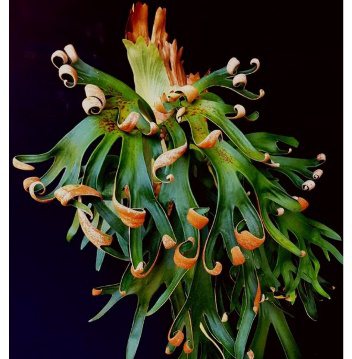
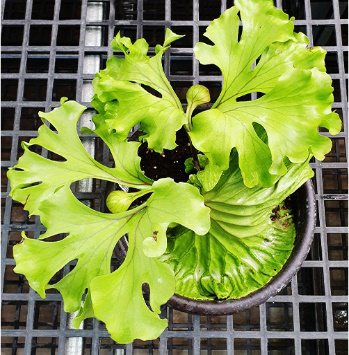
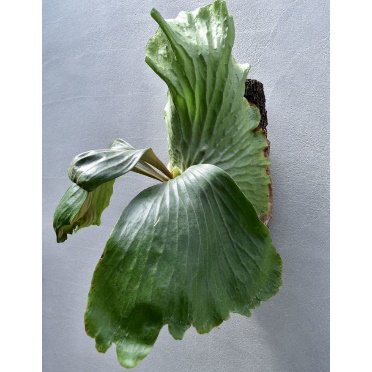
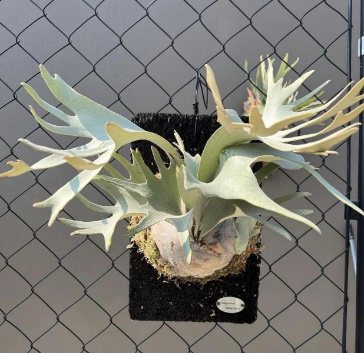
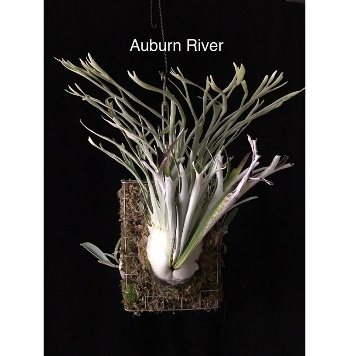
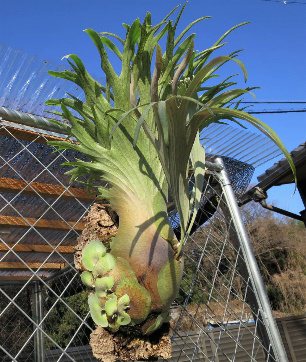
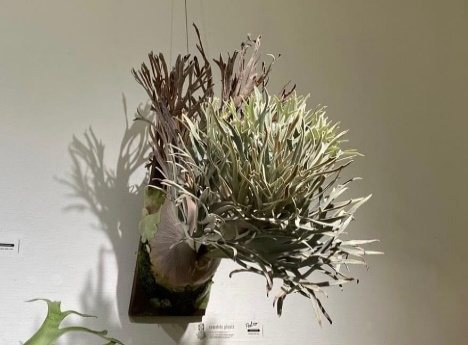
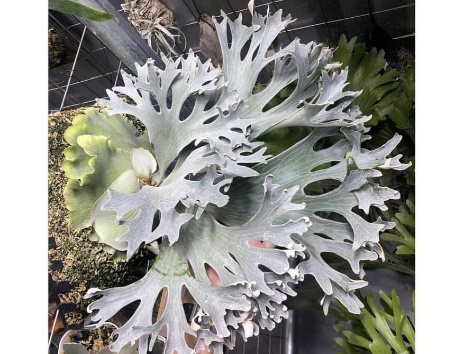
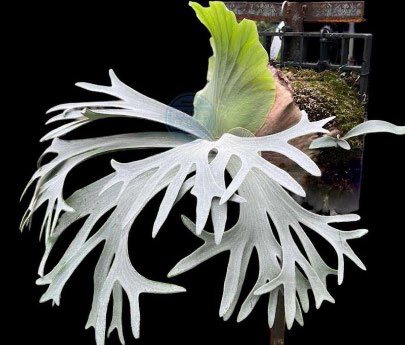
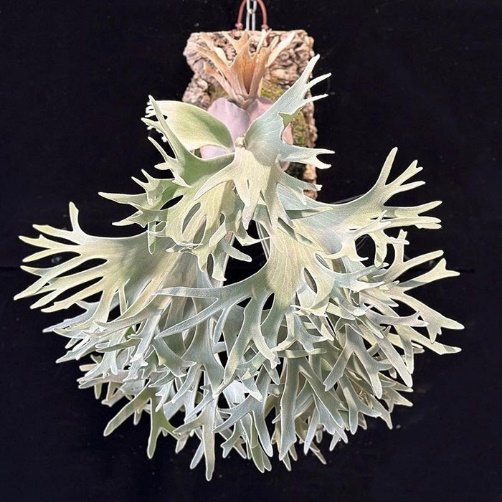
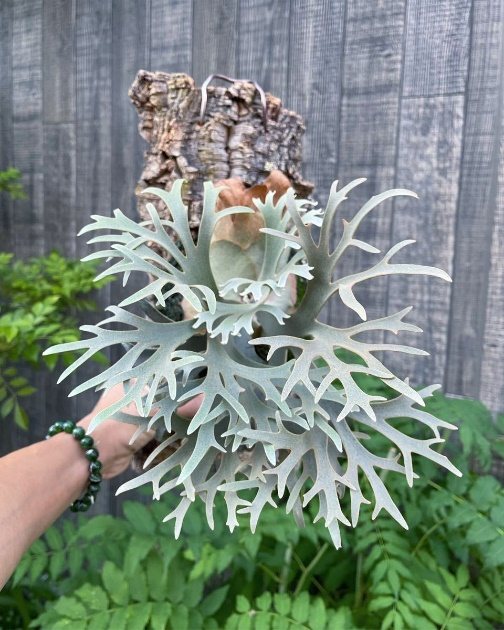
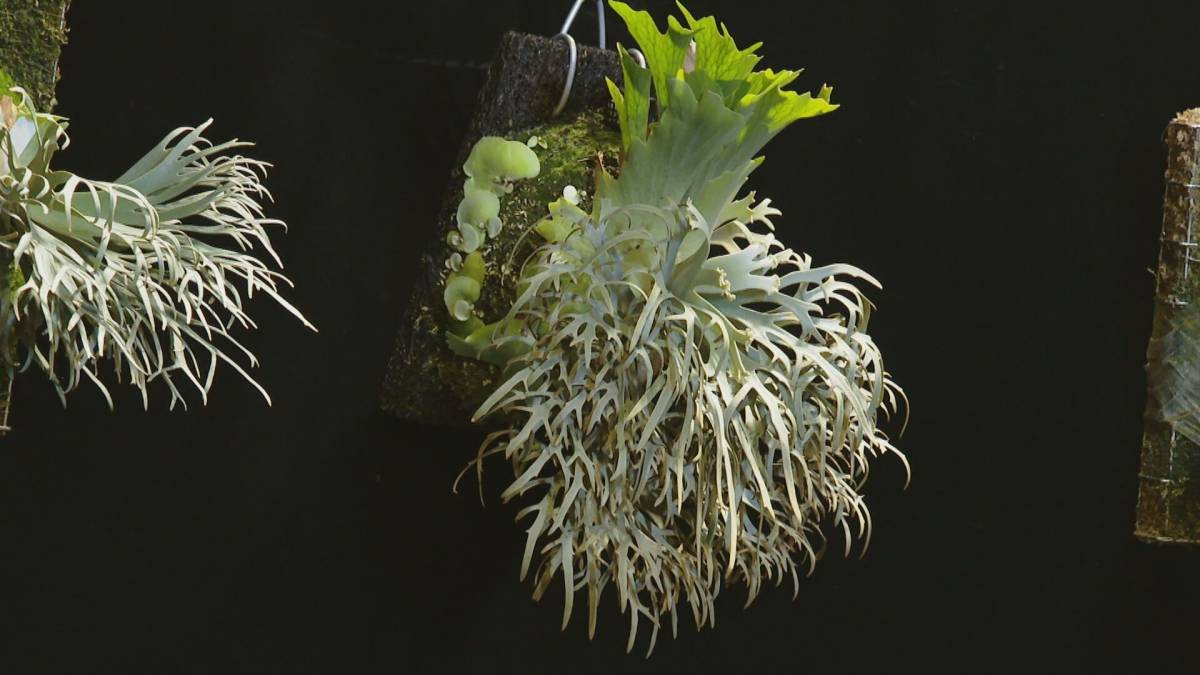
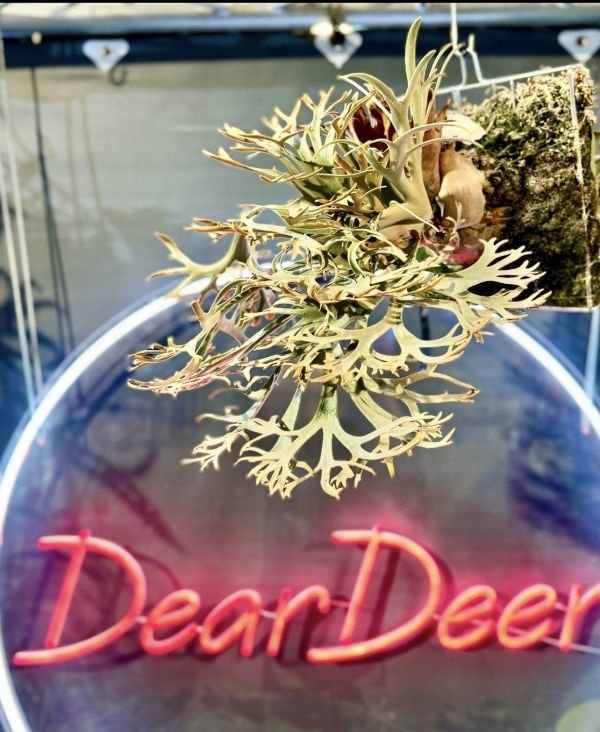
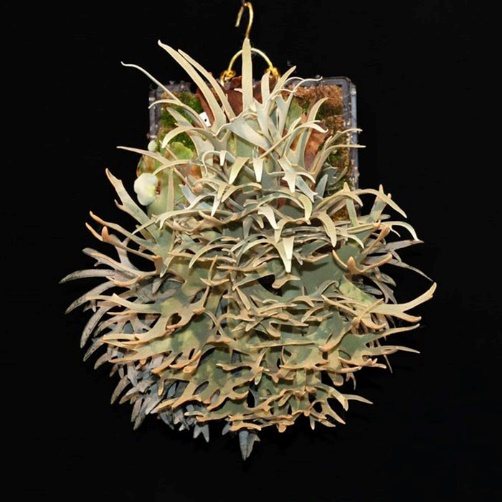
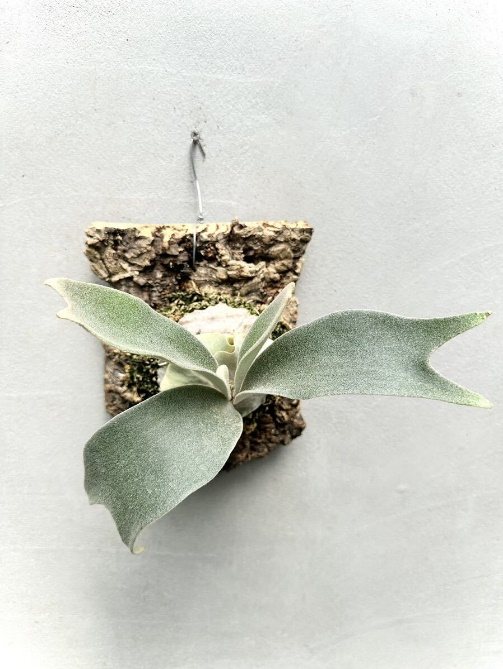
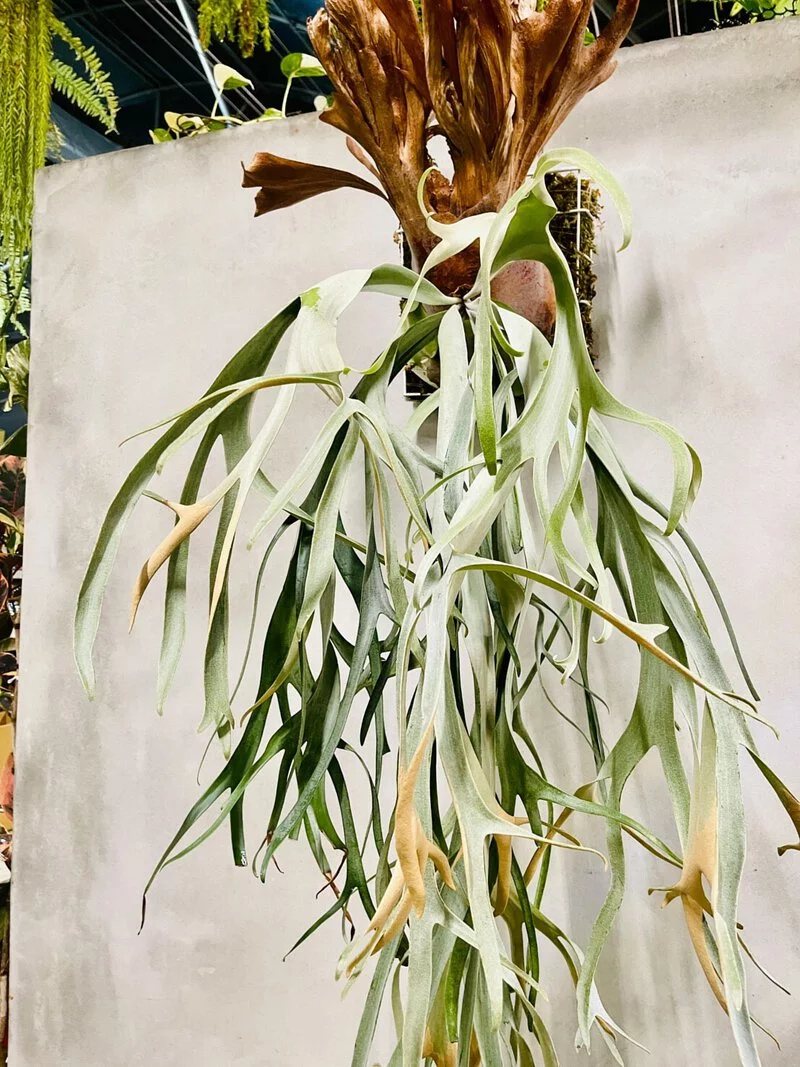
Platy has so many hybrids — we offer 10+ hybrids and more, you can refer to our catalogue for a tour!
Hybrids & cultivars
3. Growing Conditions
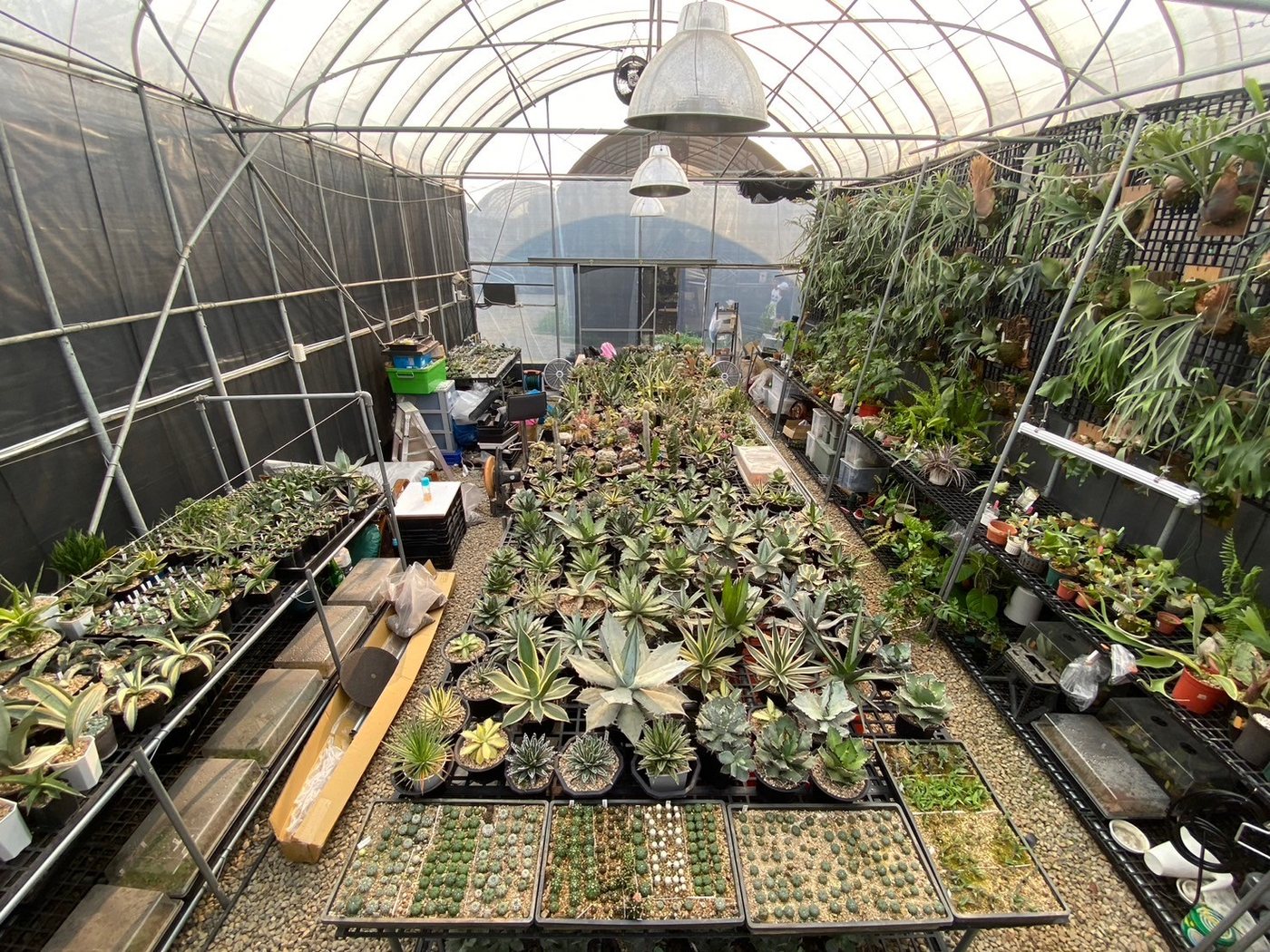
The staghorn fern, like other ferns, likes a humid and warm environment. It can grow healthily as long as it is planted indoors or outdoors. However, most staghorn ferns require more sunlight than other ferns — they need a bright light environment.
Although the staghorn fern can adapt to environments, you still need to pay attention to whether the planting environment is too cold. If you grow the staghorn fern outdoors, it is still recommended to move it to a warmer room when a cold snap hits, and especially when it snows.
Water the plants
Staghorn fern is very tolerant of drought and afraid of excess moisture, and its root system likes good ventilation. Excessive watering and poor drainage can easily cause the plant to rot, so do not water in a hurry.
We recommend watering when the surface of the sphagnum moss is dry / the whole plant feels very light when picked up / before the leaves become soft and drooping.
Completely immerse the entire plant in water and allow the medium to absorb it. This method usually requires watering once every 2 weeks, or irrigating with a large amount of water for 20–30 minutes every 2 weeks to simulate a rainfall environment and fully moisten the medium.
Light
Staghorn fern likes diffused sunlight. Shade 50%-70% in summer and autumn, and 30% in spring and winter. Keep the luminosity at 5,000-20,000 lux, which avoids leaf burns caused by direct sun exposure and is most suitable for the growth of staghorn fern.
Suitable temperature and humidity
Staghorn fern prefers a warmer environment. It is generally recommended to keep it between 15 and 30°C. Temperatures below 10°C are not recommended — such an environment is too cold for staghorn fern and is less favorable for growth.
Staghorn fern prefers an environment with high humidity, ideally 60-100%.
Cultivation Methods
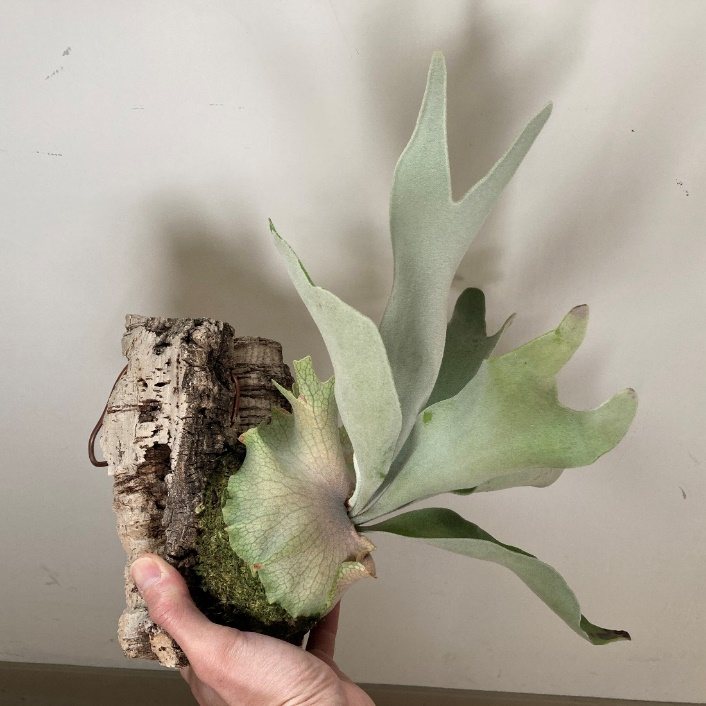
Common cultivation methods include pot cultivation, hanging basket cultivation, or board (mount) cultivation, using mediums such as sphagnum moss or shredded bark. Plastic pots are commonly used for pot cultivation, while weathered hardwood or bark can be used for board cultivation.
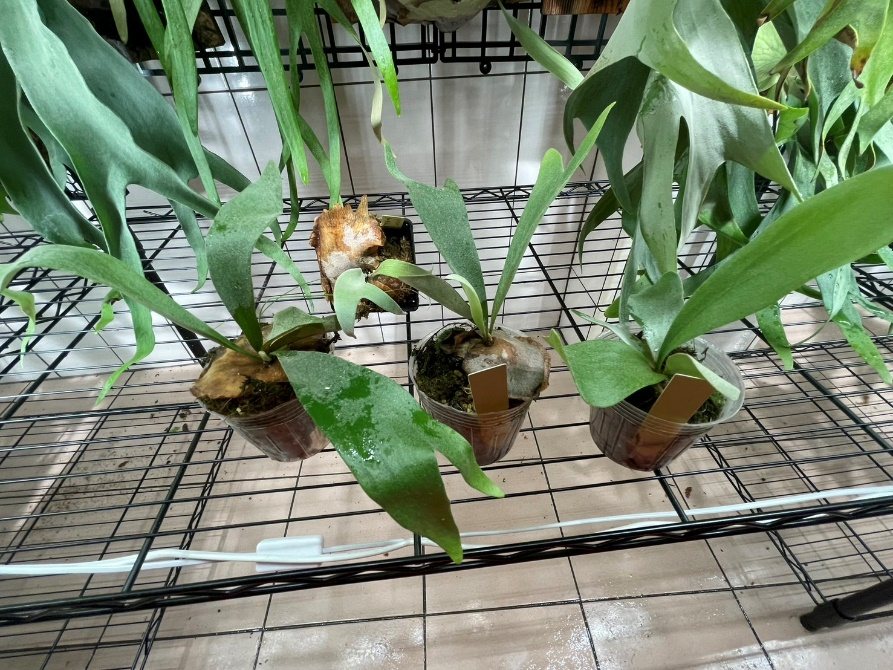
When cultivating on a board, the board is first cleaned and soaked in water, then a substrate of sphagnum moss or shredded bark is applied, and the plant is bound to the board with the substrate, simulating its natural habitat of epiphytic growth on trees. Staghorn ferns have low fertilizer requirements; however, during growth, a small amount of slow-release or organic fertilizer can be applied to the medium, or a balanced liquid fertilizer containing nitrogen, phosphorus, and potassium can be added during watering.
4. Reproduction
Staghorn ferns are divided into a pup-forming type and a monopodial type. The pup-forming type develops pups from roots extending outside the nutritive leaves, or from lateral branches of the rhizome; once these pups grow steadily, they can be separated from the parent plant and grown independently. Monopodial-type staghorn ferns, on the other hand, cannot form lateral buds and rely solely on spores for sexual reproduction. Species originating from Java-Australia and Africa-America belong to the pup-forming type, while those from the Malay Peninsula-Asia are monopodial and can only reproduce through spores.
5. Growing Platycerium Indoors
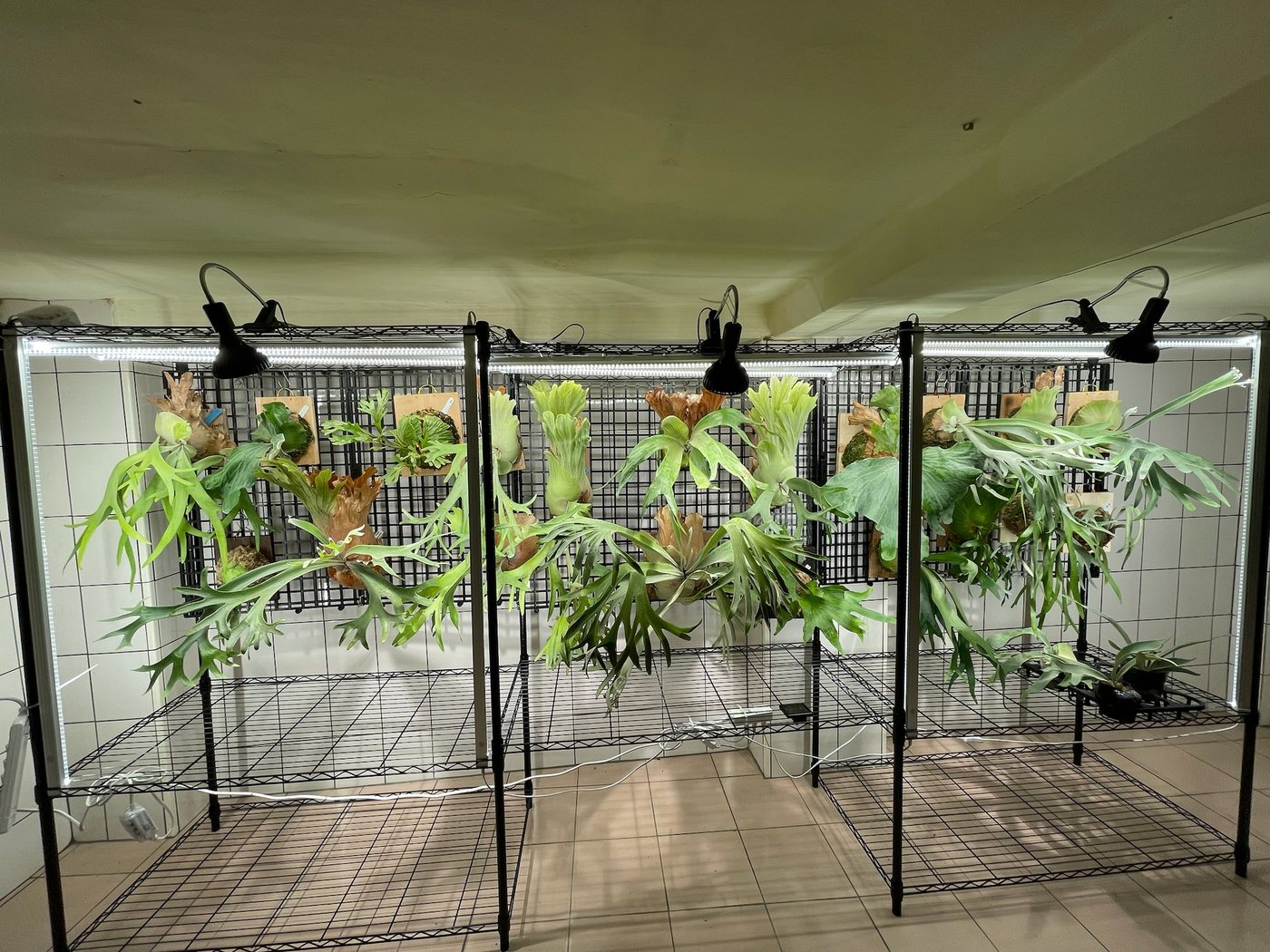
Staghorn ferns are highly suitable for indoor cultivation, requiring no soil and being relatively free from pests and diseases. They do well indoors as long as they get bright, indirect light. Conditions for indoor cultivation: temperature maintained at 15-30°C, humidity at 60-100%, and 5,000-20,000 lux of light. For detailed setup discussions, feel free to reach out to us and we'll help you plan!
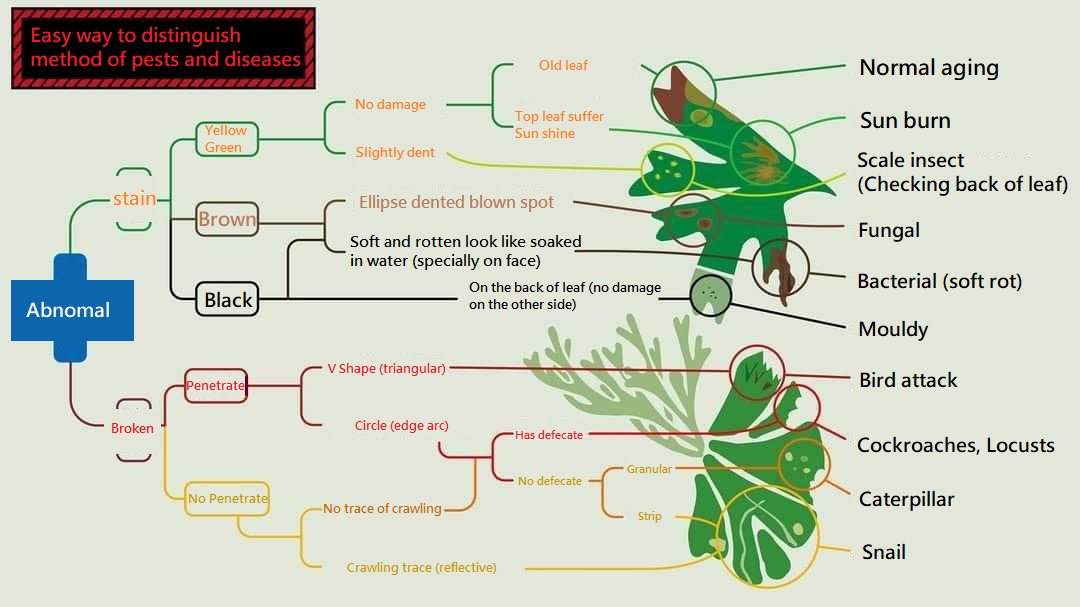
6. Easy Way to Distinguish Pests & Diseases